Bahlil: Global Energy Crisis Not Over Despite US-Iran Peace Deal
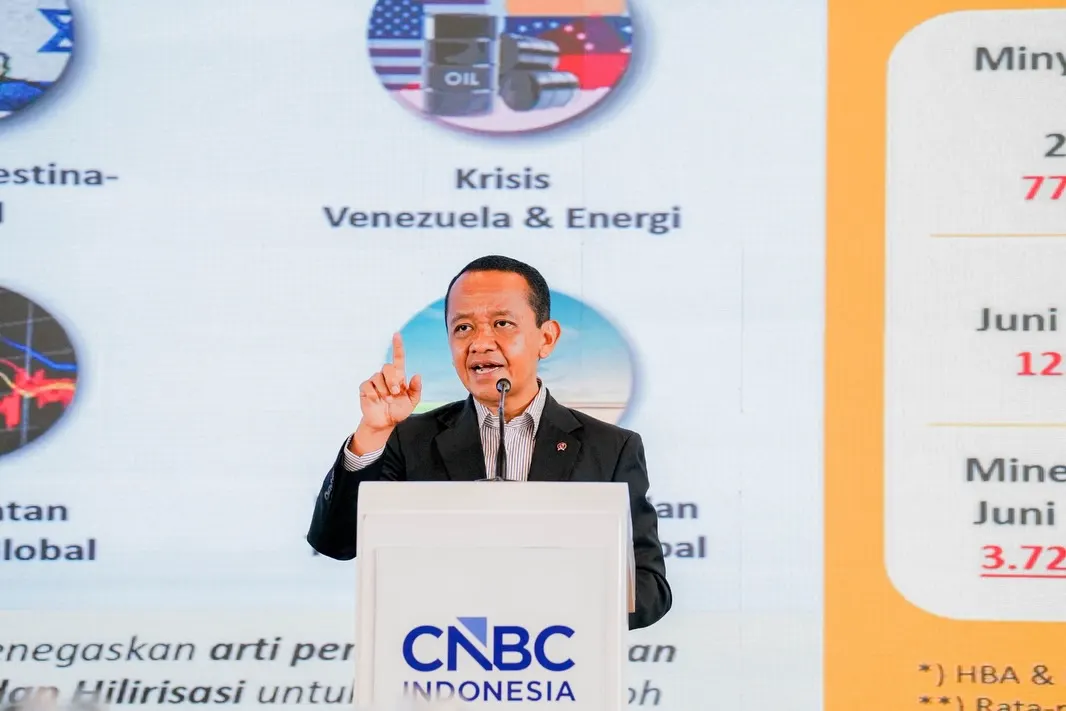
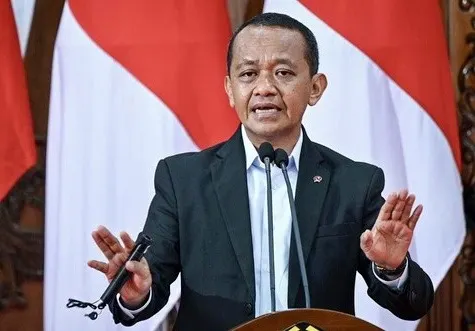
Minister of Energy and Mineral Resources Bahlil Lahadalia believes the global energy crisis will continue until the end of 2026, even though the US and Iran have reached a peace agreement and reopened the Strait of Hormuz.
UPDATEYUK - Minister of Energy and Mineral Resources (ESDM) Bahlil Lahadalia assesses that the global energy sector will not fully recover even though the United States (US) and Iran have reached a temporary peace agreement followed by the reopening of the Strait of Hormuz.
According to Bahlil, the government chooses to use more cautious projections in formulating national energy policies. He assesses that the impact of geopolitical conflicts on the energy market will still be felt until the end of the year.
The statement was made by Bahlil while attending the National Seminar on Mid-Year Review Indef 2026, Thursday (25/6/2026).
"Until December, the dynamics will continue to be like this. I don't want to set a good baseline, then the impact will be difficult for us to measure later. I'd rather say that the war is still happening," said the ESDM Minister.
Energy Market Recovery Considered Not Instant
Bahlil explained that the achievement of political agreements between conflicting countries does not automatically normalize the energy sector.
According to him, the recovery process for supply chains, distribution, and energy price stability requires a longer time compared to the diplomatic resolution of conflicts.
"For energy, it won't be as fast as the decisions made by the warring countries," he said.
Therefore, the government continues to consider various possibilities that could affect national energy resilience until the end of 2026.
Strait of Hormuz Reopened
Bahlil's statement comes amid an improving geopolitical situation in the Middle East after the United States and Iran agreed to a temporary peace.
Read Also: PLN Asks Residents to Remain Alert, Electricity Disruptions in East Java Still Potentially Occur
One of the important points in the agreement is the reopening of the Strait of Hormuz, a strategic shipping lane that serves as the main gateway for oil distribution from the Middle East to various countries.
The reopening of this route is considered to have a positive impact on global oil supply as energy distribution becomes smoother again.
Along with increased supply, global crude oil prices have also begun to show a downward trend.
Peace Agreement Involves Reopening Shipping Lanes
Previously, US President Donald Trump announced that the Strait of Hormuz would be reopened following a temporary peace agreement with Iran.
Meanwhile, US Vice President JD Vance described the agreement as an important step towards regional stability.
Read Also: Elderly Person Falls into Well During Power Outage in Ciamis, Successfully Rescued Safely
The agreement not only includes the reopening of the Strait of Hormuz but also the cessation of the naval blockade against Iran and Tehran's commitment not to develop nuclear weapons.
Nevertheless, the Indonesian government considers these developments insufficient to conclude that the global energy sector has fully stabilized. (*)